Gardeners for Mill Hill Broadway homes expert local teams

If you live in or around Mill Hill Broadway, you already know the garden has to work hard. It needs to look good from the kitchen window, cope with London weather, and stay manageable when life gets busy. That is exactly where Gardeners for Mill Hill Broadway homes expert local teams come in: practical, local help that understands the shape of the homes, the pace of the area, and the little problems that can turn into bigger ones if they are left alone for too long.
Whether you are dealing with a tired lawn, overgrown hedges, awkward shade, or a patio that has gone a bit green and slippery, the right local team can make the difference between "we should sort that someday" and a garden you actually enjoy using. In this guide, we will look at how these services work, what they are good for, what to avoid, and how to choose the right approach for your home.
Why Gardeners for Mill Hill Broadway homes expert local teams Matters
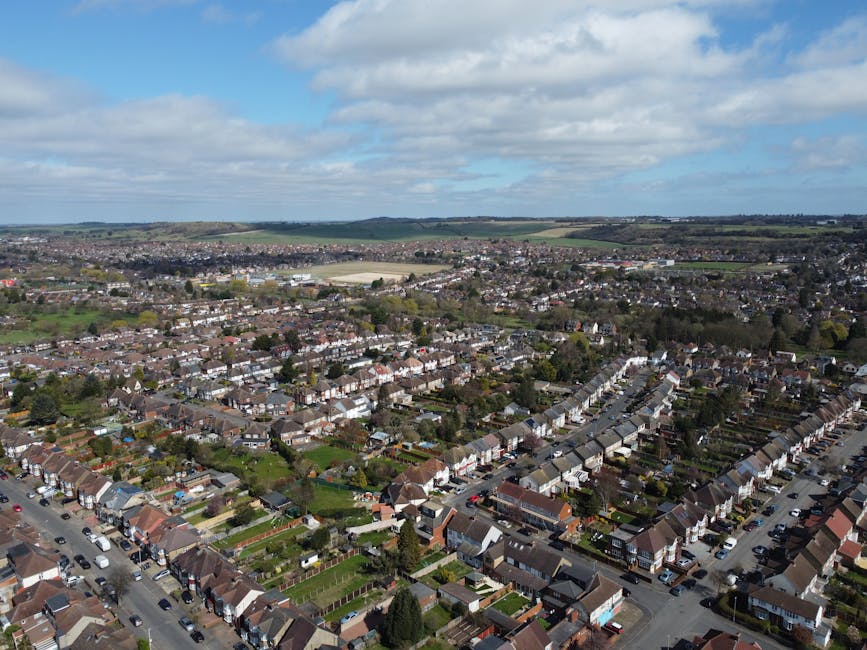
Gardens in Mill Hill Broadway are rarely blank canvases. They often sit behind brick terraces, semi-detached homes, modern developments, or older plots with mature planting that has been left to do its own thing for years. That sounds charming until the ivy starts winning, the hedge line becomes a wall, or the front garden stops welcoming people and starts looking like a job advert for brambles.
Local teams matter because they bring a blend of speed, judgement, and area awareness. They know what kinds of shrubs and climbers tend to thrive in shaded corners, what wind exposure does to a fence line, and how to keep a compact space from feeling crowded. More importantly, they can spot the difference between a garden that just needs a tidy-up and one that needs a proper reset.
For many homeowners, it is also about reducing stress. Let's face it, garden tasks are rarely urgent until suddenly they are very urgent. A hedge that was "fine last month" can feel overwhelming once nesting season, guests, or a house sale come into view. An experienced local team helps you keep things under control without turning maintenance into a second full-time job.
If you are still comparing service types, it helps to read a bit more about the wider offer behind gardening services and the longer-term support available through garden maintenance. Those two usually tell you a lot about how a team thinks, not just what they can cut, trim, or clear in a single visit.
How Gardeners for Mill Hill Broadway homes expert local teams Works
The process is usually more straightforward than people expect. A good team begins with a look at the space, the priorities, and the practical constraints. Is the garden shaded most of the day? Is there a dog? Are you trying to create privacy? Do you want low maintenance, or are you hoping for a more planted, seasonal look? These questions shape the job.
From there, the work often falls into one of three patterns:
- One-off restoration for gardens that have been neglected, blocked by weeds, or overrun by fast growers.
- Regular upkeep for homeowners who want the garden kept neat through the year.
- Project work for bigger changes such as replanting, screening, new seating areas, or structural improvements.
The best teams do not rush straight into cutting things back just because they can. That would be a bit too easy, honestly. They work from the condition of the garden outward: soil health, plant health, access, drainage, safety, and then appearance. In practice, this might mean clearing ivy from a wall before planting, or getting rid of compacted debris before a lawn can recover.
Many homeowners also like having a single point of contact for related jobs. For example, hedge shaping, lawn work, and hard-surface cleaning are often linked in real life, so it can make sense to plan them together. You might start with hedge trimming in Mill Hill, then add lawn mowing or patio cleaning if the space needs a proper reset. One visit, fewer headaches.
Key Benefits and Practical Advantages
There are obvious benefits, and then there are the less obvious ones that matter just as much.
- Better use of space. Small gardens, side returns, and narrow front plots can be made to feel bigger with the right structure and planting choices.
- Cleaner first impressions. A well-kept front garden changes how a property feels before anyone even steps inside.
- Lower long-term effort. Good maintenance prevents the cycle of "ignore it, struggle with it, fix it all at once."
- Safer access. Slippery patios, low branches, and unstable edges are less of a nuisance once they are properly managed.
- Healthier plants. Pruning, feeding, mulching, and season-aware care can make a visible difference over time.
- More privacy. The right screening plants or hedge choices can soften views without making the space feel shut in.
There is also a quality-of-life benefit people underestimate. A garden that is tidy and balanced tends to invite use. You sit out for tea. The children kick a ball around for ten minutes. The dog stops dragging mud through the house quite so much. Small thing, but not really small once it becomes part of your day.
For privacy and screening ideas, a useful starting point is the guide to rapidly expanding hedges for privacy. If your garden has a darker corner, the piece on evergreen climbers for shady retreats is also worth a look. Those are the sorts of practical planting choices that can change a space without a full redesign.
Who This Is For and When It Makes Sense
This kind of local gardening support suits a wide mix of homeowners, and not just the people who already love gardening.
- Busy families who want the garden to stay usable without weekend battles.
- Older homeowners who would rather avoid heavy lifting, ladder work, or repetitive maintenance.
- New movers who have inherited a garden and are not quite sure where to begin.
- Landlords and letting agents who need outdoor areas to remain presentable between tenancies.
- Pet owners trying to keep the space attractive while still practical for daily life.
- People preparing to sell and wanting the outside to support the home's value and appeal.
It also makes sense when the job is bigger than a weekend and a pair of secateurs. If a garden has become dominated by ivy, self-seeded growth, or years of patchy maintenance, doing it yourself can be exhausting and, to be fair, slightly demoralising. In those cases, a professional team can help you regain control without making you feel like you need to start from scratch.
For anyone dealing with stubborn climbers, there is a practical article on permanent ivy removal. That sort of issue is common in established gardens, especially where plants have been left to climb unchecked along fences and walls.
Step-by-Step Guidance
Here is a sensible way to approach garden help so you do not end up paying for the wrong kind of work.
- Walk the garden first. Note the obvious pain points: weeds, dead plants, shading, poor drainage, uneven lawn, damaged fencing, or cluttered seating areas.
- Decide your priority. Do you want visual impact, easier upkeep, better privacy, or a safer layout? You may want all four, but pick the lead objective.
- Separate urgent from optional work. Safety issues and access problems come first. Replanting and decorative upgrades can follow.
- Ask for a clear scope. Good teams should explain what is included, what is not, and whether the job will need more than one visit.
- Check the maintenance plan. A tidy finish is one thing; keeping it that way is another. Ask what ongoing care will be needed after the work is done.
- Consider the seasons. Some work is better tackled in spring or autumn, while other jobs, like hard-surface cleaning or hedge reduction, can be planned around the weather.
- Review the results honestly. Good garden work should look balanced, not overcut or flattened. A garden should still feel alive.
That last point matters more than people think. A well-done garden is not just neat; it keeps some texture, some shape, some life. Nobody wants a space that feels as if it has been buzz-cut into submission.
Expert Tips for Better Results
These are the small decisions that often separate a decent garden from one that quietly keeps rewarding you month after month.
- Work with the light you have. Shade, dappled sun, and full sun all call for different planting choices. For example, shady gardens often improve dramatically with the right climbers and ground cover.
- Think in layers. A garden feels more polished when height, mid-level planting, and lower edging each have a role.
- Use hard landscaping to calm busy spaces. Clean paths, simple seating, and well-defined edges help the planting read clearly.
- Do not ignore the soil. Better soil means better recovery after pruning, transplanting, or clearing.
- Choose repeatable maintenance. If a design needs constant fussing, it may look lovely for a week and then become annoying.
A small but useful habit is to keep a note of what failed, what thrived, and what simply survived. It sounds nerdy, but it saves a lot of guesswork later. If your herbs bolted early, or your containers dried out too fast, you will notice a pattern. Then the garden starts teaching you back.
If you enjoy edible planting, the article on crafting an herb garden offers a helpful way to get more from compact spaces. For people leaning toward containers, container gardening ideas can be especially useful where soil quality or space is limited.
Common Mistakes to Avoid
Garden jobs often go wrong for simple reasons. Usually not dramatic reasons. Just small, avoidable ones.
- Cutting too much at once. Severe pruning can shock plants or leave borders looking bare and exposed.
- Ignoring access and disposal. A pile of green waste can become the real problem if there is no plan for clearing it.
- Choosing plants only for looks. Pretty is good, but if the plant hates your soil or shade, it will soon sulk.
- Mixing too many styles. Cluttered design often comes from trying to do everything at once.
- Forgetting the maintenance burden. A high-maintenance border can be lovely, but only if you have the time and energy for it.
- Letting ivy or invasive growth linger. The longer it stays, the more work it tends to create later.
Another common issue is the "I'll just tidy it myself" trap. That is fine for a light trim, of course. But if the garden has slipped badly, a partial approach can leave it looking more uneven, not less. Sometimes a proper reset is the kinder choice.
If you are weighing up how to tackle overgrowth, the guide to creating a weed-free oasis offers some simple, realistic ideas that can be built into regular care.
Tools, Resources and Recommendations
The best results usually come from a mix of good equipment, sensible planning, and a realistic sense of what should be done by hand versus with specialist help.
Commonly useful tools and supports include:
- sharp secateurs and loppers for precise cutting
- hedge trimmers for consistent shaping
- lawn care equipment for mowing, edging, and tidying
- pressure or surface cleaning equipment for patios and decking
- mulch, compost, and soil improvers to rebuild tired beds
- support frames, canes, or trellis systems for climbers and young plants
If you are trying to decide what is worth investing in, the article on must-have gardening tools is a sensible reference point. And if your plan includes improving the outside structure as well as the planting, it can be worth exploring related services like landscaping, decking services, or fencing where they fit the bigger picture.
For gardens that need more than maintenance, the broader service pages for lawn care and tree surgery can also help you think about what should happen first. A mature tree casting heavy shade, for instance, changes everything underneath it.
Law, Compliance, Standards, or Best Practice
For everyday homeowners, the most relevant part of compliance is usually safety, access, and responsible working practice. You do not need to become an expert in every rulebook, but you should expect any professional team to work carefully and sensibly.
In the UK, good practice generally means following safe tool handling, using appropriate protective equipment, managing waste responsibly, and taking extra care where jobs involve height, sharp tools, or heavy lifting. If a team is cutting back large trees, dealing with unstable structures, or working near boundaries, they should be especially cautious. That is not fussiness. It is normal common sense.
It is also worth expecting clear customer-facing information. Pages such as insurance and safety, health and safety policy, payment and security, and terms and conditions should help you understand how a provider operates. For general trust and process questions, you may also want to check about us, privacy policy, and complaints procedure.
If your property includes shared access, neighbours, or boundary planting, it is always wise to talk things through before major changes. A bit of courtesy saves an awful lot of awkwardness later. And yes, that includes hedge lines that suddenly feel one foot too bold.
Options, Methods, or Comparison Table
Homeowners usually have three main options: do it yourself, book occasional help, or choose an ongoing local team. Each has its place.
| Approach | Best for | Strengths | Limitations |
|---|---|---|---|
| DIY garden care | Light upkeep, small tidy jobs, gardeners who enjoy the work | Lowest direct spend, flexible timing | Time-consuming, easy to miss hidden issues, can become overwhelming |
| One-off professional visit | Overgrown spaces, pre-event tidy-ups, seasonal resets | Fast improvement, clear outcome, good for problem-solving | Needs repeat work to stay neat |
| Regular local team support | Busy homes, long-term maintenance, polished curb appeal | Consistency, better planning, fewer major rebuilds later | Requires an ongoing budget and scheduling |
The right option depends on the garden itself. A compact patio with a few containers may only need occasional help. A larger family garden with hedges, lawns, boundaries, and mature planting often benefits from a regular plan. Truth be told, the worst route is usually the middle one: doing a bit, stopping, then restarting when the garden has already run away again.
Case Study or Real-World Example
Here is a realistic local scenario. A Mill Hill Broadway homeowner has a back garden that started with good intentions: lawn, a couple of shrubs, a narrow border, and a climbing plant against the fence. A few years later, the lawn is patchy, the climber has become aggressive, the patio is slick after rain, and the border is buried under weeds. Not ruined. Just tired.
A practical local team would usually break this into phases. First, clear the overgrowth and deal with the obvious problem plants. Next, clean the hard surfaces and recover the lawn. Then, rebuild the structure with a mix of low-maintenance planting and maybe one or two useful features like privacy screening or a seating area. If there is heavy shade, they may recommend evergreen climbers or shade-tolerant ground cover rather than chasing a sun-loving design that will never quite work.
What changes most in that kind of project is not just the look. It is the feeling of the space. The garden stops being something you avoid and becomes somewhere you can use again. A cup of tea outside on a quiet morning, birds moving in the hedge, damp paving drying in the early light - those are small things, but they matter.
For anyone facing a similar situation, the article on weather-resistant garden planning is a helpful companion read, especially where exposed conditions are part of the problem. If the garden is overrun by clutter and old features, rethinking an untamed garden can also spark a sensible reset.
Practical Checklist
Use this quick checklist before booking or briefing a local gardening team.
- Walk the whole garden and note the worst areas first.
- Decide whether the job is a tidy-up, a restoration, or an ongoing maintenance plan.
- List any access issues, pets, awkward boundaries, or fragile features.
- Identify plants or features you want kept, not removed.
- Ask how waste, cuttings, and debris will be handled.
- Be clear about privacy, shade, and maintenance goals.
- Check whether you also need lawn, hedge, patio, decking, fencing, or tree-related work.
- Confirm timing, especially if weather or events matter.
- Review safety, insurance, and payment information.
- Plan the follow-up care so the work lasts.
If you want to keep the space child-friendly, there are also useful ideas in the article on playful and educational garden design. And if pets are part of the picture, keeping your garden beautiful with dog companions offers a very realistic angle. Dogs change the equation. They just do.
Get a free quote today and see how much you can save.
Conclusion
Choosing Gardeners for Mill Hill Broadway homes expert local teams is really about choosing a better way to manage your outdoor space. Not a flashier one. A better one. One that fits the pace of your home, the shape of your garden, and the way you actually live from week to week.
Whether you need a one-off reset, help with a difficult patch, or a steady hand to keep everything in good shape, the value is in the detail: careful pruning, thoughtful planting, sensible upkeep, and work that respects the space rather than just rushing through it. That is the kind of support that lasts.
If your garden has been quietly asking for attention, this may be the right moment to answer. Start with the essentials, build from there, and let the space become useful again. Small improvements add up, and sometimes that is the nicest part of all.
Frequently Asked Questions
What do local gardeners for Mill Hill Broadway homes usually help with?
They commonly help with garden maintenance, lawn care, hedge trimming, planting, clearance, patio cleaning, and broader tidy-up or improvement work. The exact mix depends on your garden's condition and what you want to achieve.
How do I know if I need one-off help or regular maintenance?
If the garden is mostly under control, one-off help may be enough. If it keeps slipping back, or if you want it to stay consistently neat, regular maintenance is usually the smarter option.
Can a local team help with a badly overgrown garden?
Yes. That is one of the most common reasons people call in help. Overgrown hedges, ivy, weeds, and neglected borders can usually be brought back under control with a staged approach.
Do I need to prepare the garden before the team arrives?
A little preparation helps. Move valuables, unlock access, note anything delicate, and share your priorities clearly. You do not need to do the heavy work yourself.
Is hedge trimming included in general garden maintenance?
It can be, but not always. Some jobs are bundled, while others are quoted separately depending on height, access, and how much cutting is needed.
What if my garden is mostly shady?
That is not a problem. Shady gardens often just need better plant selection and a more realistic layout. Evergreen climbers, shade-tolerant planting, and smart ground cover can make a big difference.
Can gardeners help make a garden safer?
Yes. They can reduce trip hazards, clear slippery surfaces, manage unstable growth, and improve access. If there are bigger safety concerns, it is worth discussing them at the start.
How do I choose between landscaping and maintenance?
Maintenance keeps a garden healthy and tidy. Landscaping changes the structure or layout. If the bones of the garden are wrong, landscaping may be the better first step. If the layout works but the space is messy, maintenance might be enough.
What should I ask before booking a gardening service?
Ask what is included, how waste is handled, whether the work is one-off or ongoing, and whether any safety or access issues need special attention. Clear questions save confusion later.
Are there any special considerations for homes with dogs or children?
Absolutely. It helps to plan for durable planting, safe surfaces, and enough open space to move around. There are useful ideas for both family and pet-friendly gardens in the blog articles linked earlier.
Can I combine lawn, hedge, and patio work in one visit?
Often, yes. In fact, combining related jobs can make the whole space look more balanced and can be easier to manage than separating everything into tiny tasks.
Where can I get in touch to discuss my garden?
The easiest next step is to reach out through the site's contact page and explain what your garden needs. A clear brief helps the team suggest the right service mix and timing.