Gardeners Mill Hill Recycling and Sustainability
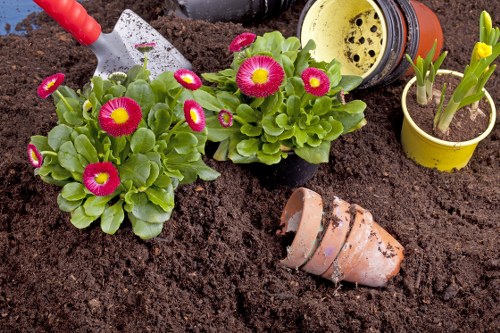 Gardeners Mill Hill is committed to recycling and sustainability in every part of our work, from the way we clear green waste to how we plan transport and disposal. As a local gardening team working across residential streets, shared courtyards, and larger outdoor spaces, we recognise that responsible waste handling matters just as much as the final planting scheme. Our aim is to support a cleaner, greener neighbourhood through practical recycling habits, lower-emission operations, and careful sorting of materials before anything leaves site.
We have set a recycling percentage target of at least 85% for suitable garden and related waste streams, with a strong focus on reusing, repurposing, composting, and sending only what is necessary for final processing. That target applies to green clippings, branches, soil, leaf litter, and selected non-hazardous materials collected during garden maintenance. By maintaining clear separation on site, we reduce contamination and improve the quality of recyclable material that enters the wider local waste system.
In practice, recycling in Mill Hill is shaped by the wider borough approach to waste separation, where household and trade materials are increasingly sorted into distinct streams before transfer. We align our garden clearance work with that principle, separating organic waste from timber, metal fixtures, plastic pots, and general debris where appropriate. 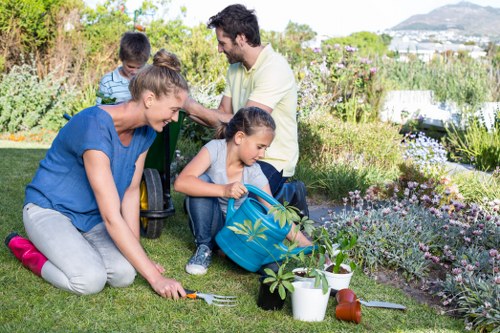 This careful approach helps support efficient recovery at downstream facilities and encourages better outcomes for the environment.
We also make regular use of local transfer stations and approved waste-handling facilities to ensure materials are routed responsibly. These sites play an important role in the journey from collection to recycling, particularly when large volumes of soil, cuttings, and bulky garden materials need to be consolidated. By choosing licensed transfer points close to the area, we help reduce unnecessary transport miles and keep our process more low-carbon from start to finish.
Our approach to sustainable garden waste management includes checking whether items can be recycled locally before any disposal method is considered. Organic material is prioritised for composting or mulching where suitable, while untreated wood may be directed toward recovery streams. Metal edging, broken garden furniture components, and selected hard landscaping offcuts are also separated when possible. This kind of sorting is especially useful in parts of Barnet and nearby boroughs where mixed waste can otherwise be difficult to process efficiently.
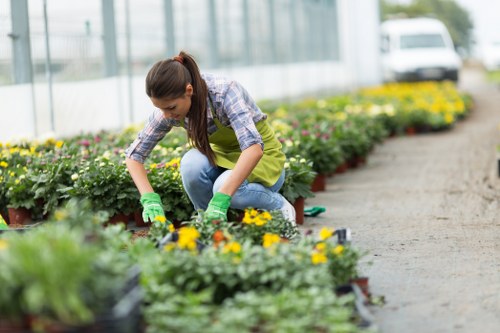 We also work with local charities and community organisations to extend the life of materials that still have value. Usable planters, pots, tools, decorative items, and some outdoor furniture pieces may be set aside for charitable partnerships, community gardens, or reuse initiatives rather than being treated as waste. This reduces landfill pressure and supports good causes at the same time, creating a more circular model for garden services in the area.
For residents and property managers looking for a more environmentally conscious Gardener Mill Hill service, our fleet also reflects our sustainability goals. We use low-carbon vans where available, chosen to help reduce emissions during local travel between jobs, transfer stations, and collection points. Shorter route planning, efficient loading, and fewer unnecessary journeys all contribute to a smaller operational footprint, which is an important part of modern garden maintenance in an urban setting.
Beyond transport, we pay attention to how materials are handled on arrival and departure from each site. Soil that can be reused for levelling or border improvement is retained when appropriate, while excess clean topsoil may be diverted into recovery routes rather than discarded. Green waste is managed with an eye to composting potential, and we encourage a clean separation of recyclable materials from non-recyclable debris so that the recycling rate remains high and contamination stays low. 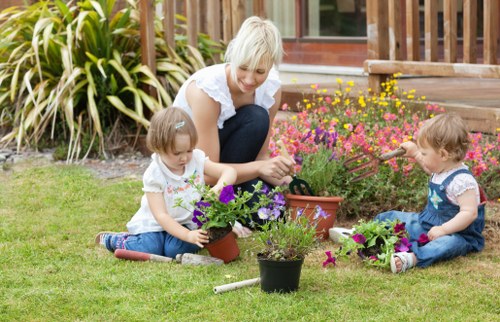 This level of care is particularly relevant in neighbourhoods where mixed domestic and garden waste can easily become intermingled.
Another important part of our sustainability work is adapting to local conditions. Different boroughs around Mill Hill may have slightly different waste separation practices, collection expectations, and accepted recycling categories, so our team keeps an eye on those requirements when planning any clearance or maintenance job. Whether it involves separating soil from green waste, recovering metal plant supports, or sorting plastic nursery containers, we aim to follow a disciplined process that supports local recycling goals and reduces avoidable waste.
 Our recycling and sustainability approach is not a separate add-on; it is built into the way we deliver everyday garden services. From small hedge trims to larger seasonal clearances, we look for the most responsible route for every material removed. That means prioritising reuse, supporting charity partnerships, routing waste through appropriate local transfer stations, and using low-carbon vans to keep emissions down. It also means keeping our recycling percentage target in view as a practical benchmark for continuous improvement.
Gardeners Mill Hill believes that a greener service is one that respects both the garden and the wider community. By combining selective recycling, careful material separation, and a strong focus on sustainability, we help keep outdoor spaces tidy while contributing to cleaner local systems. Recycling in Gardeners Mill Hill should be thoughtful, efficient, and aligned with the environmental expectations of today’s boroughs and residents alike.