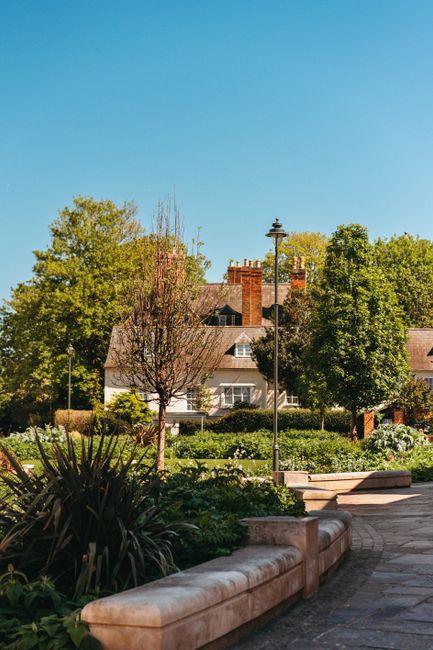
NW7 Garden Care Guide for Mill Hill Village Front Gardens
If you live in Mill Hill Village, you already know the front garden does a lot of heavy lifting. It frames the house, sets the tone before anyone reaches the door, and, truth be told, it often has to look good in all seasons, not just the sunny ones. This NW7 garden care guide for Mill Hill Village front gardens brings together the practical bits: what tends to work in this part of North London, how to keep the space neat without making it feel sterile, and where a little expert help can save a lot of trial and error.
Front gardens in NW7 are usually small enough that every decision matters. A hedge that grows too fast, a border that gets waterlogged, or a lawn that never quite settles can throw the whole look off. On the other hand, a well-kept entrance can make a modest property feel calm, cared for, and more welcoming. Below, you'll find a clear, usable guide for planning, planting, maintaining, and improving front gardens around Mill Hill Village.
Why NW7 garden care guide for Mill Hill Village front gardens Matters
Front gardens in Mill Hill Village are not just decorative. They deal with practical pressure every day: foot traffic, bin storage, visibility from the street, shade from mature trees, wind across open aspects, and the general challenge of keeping a small space tidy without overcomplicating it. That is especially true in NW7, where many homes have a mix of established planting and tighter front boundary layouts.
A front garden also has a big influence on first impressions. You notice it when you walk up to the gate, and so does everyone else. If the planting is overgrown, the paving is slippery, or the hedge has become a bit of a beast, the whole property can feel neglected even if the rest of the house is immaculate. We've all seen that garden that was clearly lovely once, then got away from somebody by midsummer. It happens fast.
There's also a resilience angle. Good garden care helps the space cope with uneven weather, compacted soil, and winter damage. For many Mill Hill Village homes, the smartest approach is not the fanciest one; it's the one that balances neatness, structure, and low-maintenance planting. If you want a broader service overview, the garden maintenance page is a useful place to start.
Key takeaway: in a front garden, appearance and function are tied together. The best results usually come from routine care, sensible plant choices, and a layout that stays easy to manage.
How NW7 garden care guide for Mill Hill Village front gardens Works
Front garden care works best when you treat it as a system rather than a list of chores. Soil, drainage, structure, planting, and regular cutting all interact. If one part slips, the rest usually follows. That sounds obvious, but in practice people often focus only on mowing or only on plants, and the garden keeps complaining in the background.
Here is the basic rhythm that works well in NW7:
- Start with the structure. Check boundaries, edging, paths, gates, and any hard surfaces that frame the garden.
- Sort the soil and drainage. A front border that stays soggy or baked dry will limit everything else.
- Choose the right planting style. Compact shrubs, hedging, low perennials, climbers, and containers can all work, but they should suit the amount of light and space available.
- Set a maintenance rhythm. Small, regular jobs beat large rescue jobs almost every time.
- Review the look from the street. Step back. Look at the garden as a visitor would. That is where weak spots show up quickly.
In Mill Hill Village, many front gardens benefit from seasonal pruning rather than constant fussing. The aim is a clean, confident look. Not overworked. Not wild. Somewhere in that middle ground where things breathe a bit.
If privacy is part of the brief, you may want to explore ideas in amplifying privacy with rapidly expanding hedges, especially if your frontage feels too exposed or faces a busy road.
Key Benefits and Practical Advantages
Good front garden care brings more than visual polish. A tidy, well-planned entrance makes life easier in small but meaningful ways. You spend less time fighting weeds, less time rescuing tired plants, and less money replacing things that failed because they were in the wrong spot in the first place.
- Better kerb appeal: a neat frontage immediately improves the character of the home.
- Lower maintenance over time: the right plant palette reduces weekly effort.
- Improved privacy: smart screening can soften views without making the space feel shut in.
- Safer access: cleaner paths and healthy planting reduce slips, trips, and awkward overgrowth near entrances.
- More usable space: even a small front garden can hold containers, seasonal colour, or a low hedge if designed well.
- Seasonal consistency: evergreen structure keeps the space looking composed when flowers are out of season.
There's a less obvious benefit too: a front garden that is easy to maintain tends to stay attractive longer. That matters. A lot. A garden that is visually balanced but impossible to keep on top of will usually lose the battle by late summer.
For homes with lawned fronts, simple upkeep can make a surprising difference. A good grass routine, outlined in the lawn care page, helps keep the entrance sharp instead of patchy.
Who This Is For and When It Makes Sense
This guide is for anyone in NW7 who wants their Mill Hill Village front garden to look better without turning it into a full-time project. That includes homeowners, landlords, property managers, and busy families who simply want the front of the house to stop nagging them every time they come home.
It makes sense if any of these sound familiar:
- Your front garden looks tired by the end of each growing season.
- The hedge or shrubs have become too large for the space.
- Weeds keep returning from path edges, borders, or gravel.
- You want privacy, but not a wall-like feel.
- There's very little planting, and the space feels bare or unfinished.
- The entrance is shaded, windy, or awkward to plant.
- You need something practical for a rental, sale, or long-term home.
It is also relevant if you have pets, children, or frequent visitors. Front gardens have to handle real life. Muddy boots, parcel drops, dog paws, scooters, wheelie bins. Not glamorous, but there it is. The best design allows for actual use, not just photographs on a sunny day in May.
If you are weighing up whether to handle the work yourself or bring in help, the about us page is useful for understanding the kind of local support a dedicated gardening team can offer.
Step-by-Step Guidance
1. Assess the space honestly
Start by looking at the front garden in daylight, then again at dusk if possible. Check where the shade falls, where water sits after rain, and which parts are visible from the street. Note any areas that feel cluttered, empty, or awkward to reach. This first pass saves time later.
2. Clear out the weak links
Remove dead annuals, unsightly self-seeded growth, broken pots, and anything that no longer fits the layout. If ivy has taken hold on boundaries or brickwork, deal with it early rather than letting it spread. For persistent cases, this ivy removal guide is worth reading before the plant gets too embedded.
3. Shape the structure
Define the garden with edging, a hedge line, a border strip, or low fencing. Structure is what makes a front garden feel finished. Even a simple line of trimmed shrubs or neatly arranged containers can make the whole place look intentional rather than leftover.
4. Pick plants for the conditions, not the wish list
Mill Hill Village front gardens often have partial shade, wind exposure, or patchy soil. That means plant choice should start with reality. Shade-tolerant climbers, tough evergreen shrubs, low ground cover, and container planting can all help where the conditions are tricky. If your frontage is quite shady, evergreen climbers for shady areas can be a smart way to add height without clutter.
5. Build in easy upkeep
Choose plants that match the time you actually have. If you only want to prune every few weeks, avoid anything that needs constant correction. Put the most demanding plants in places you can see and reach easily. Less enthusiastic gardeners, and we say that kindly, should lean into containers, ground cover, and compact shrubs.
6. Create one clear focal point
A front garden looks better when it has a single anchor: a shaped topiary, a seasonal container group, a small tree, or a carefully trimmed hedge. Too many focal points and the eye gets restless. One is often enough.
7. Finish with a maintenance rhythm
Set weekly, monthly, and seasonal tasks. Weekly might be litter removal and quick checks. Monthly might be deadheading, edging, and hedge touch-ups. Seasonal work could include mulching, replanting, and a harder prune. That simple rhythm keeps the garden from sliding backwards.
Expert Tips for Better Results
A front garden rarely improves because of one dramatic change. It improves because a few sensible choices stack together. In our experience, the best results in NW7 usually come from restraint. People often want to add one more plant, one more ornament, one more feature. Then the garden starts to feel busy. A little spare space helps the front breathe.
- Use repetition. Repeating one or two plant types creates calm and makes the garden look larger.
- Keep the line nearest the house neat. If the planting closer to the door is tidy, the whole frontage reads as cared for.
- Mix evergreen and seasonal interest. Evergreens hold the shape through winter; seasonal plants give colour when conditions allow.
- Mulch lightly but regularly. This helps the soil retain moisture and slows weed growth.
- Trim before growth becomes awkward. A small correction now is much easier than a large cut-back later.
- Work with the frontage style. Traditional homes often suit gentler, more structured planting. Modern entrances can take a sharper, cleaner look.
One small but useful habit: stand across the road and look back. Does the garden feel balanced? Is there a clear centre? Does anything snag the eye in a bad way? That view tells the truth quickly.
For quick reference on tools that make routine work easier, the article on must-have tools in every gardener's arsenal is handy, especially if you are doing your own pruning and edging.
If your border is more about texture than flowers, ground cover can help keep things tidy without much fuss. See ground cover plants suited to UK gardens for low-level planting ideas that spread the visual load.
Common Mistakes to Avoid
Most front garden problems are not caused by bad intentions. They usually come from over-enthusiasm, poor plant matching, or leaving a job until it becomes annoying. Very human, really.
- Planting for looks only. A lovely specimen that hates the site will become expensive frustration.
- Ignoring hedge growth. A hedge that is left too long between trims quickly dominates a small front garden.
- Mixing too many styles. Formal edging, wildflower drift, oversized containers, and a topiary sphere can all work. Together, often not.
- Forgetting drainage. Wet soil in winter and dust-dry soil in summer can both cause repeated plant failure.
- Using too many small ornaments. Front gardens get cluttered fast. Fewer objects, better placed, usually look stronger.
- Letting weeds establish in path edges. Once they root into hard surfaces, removal gets much slower.
- Pruning at the wrong time. Some plants tolerate hard cuts; others sulk for a season. Know the difference, or keep it light.
One more thing. Don't use a design you cannot maintain. That is the trap. A very elaborate frontage looks brilliant for two weeks and then starts demanding attention like a needy houseplant.
Tools, Resources and Recommendations
You do not need a shed full of specialist equipment to keep a Mill Hill Village front garden in good shape. A reliable handful of tools will carry most of the work.
| Tool or Resource | Best Use | Why It Helps |
|---|---|---|
| Hand pruners | Small shrub and stem cuts | Cleaner cuts and easier shaping |
| Hedge trimmer | Routine hedge maintenance | Keeps boundaries neat and controlled |
| Spade and hand fork | Border prep and replanting | Useful for soil work and tight spaces |
| Weed removal tool | Path edges and cracks | Stops weeds from taking over hard surfaces |
| Mulch or compost | Soil improvement | Helps retain moisture and supports plant health |
| Watering can or hose with control | Dry spells and containers | Targets water where it is needed |
For bigger jobs, especially if hedges, boundaries, or badly overgrown areas are involved, it can be sensible to use a professional service. The hedge trimming in Mill Hill page covers a useful part of that picture, particularly when a front boundary has become too tall or broad.
Container planting can also be a smart route for front gardens with tricky soil. It gives you flexibility, easier seasonal swaps, and a cleaner finish. If that sounds like your situation, take a look at container gardening ideas.
And if you want the garden to reflect your own style a bit more, there are some enjoyable approaches in the piece on calming garden scenes with zen-inspired ideas. Not every front garden should try to be serene, of course, but it is a nice direction if you like clean lines and less visual noise.
Law, Compliance, Standards, or Best Practice
Front garden care in NW7 is usually straightforward, but there are a few practical best-practice points worth keeping in mind. If your garden borders a pavement or a shared access route, keep planting and structures clear of obstruction. That is not just about appearance; it helps avoid trips, blocked sightlines, and awkward encounters with branches and bins.
If you are trimming trees or large shrubs near boundaries, be careful about overreaching into neighbouring property. Good neighbour relations matter, and so does sensible boundary management. For any larger pruning, it is worth checking whether the job falls into ordinary garden maintenance or something better handled as specialist work.
Safety matters too. Tools should be used correctly, and access should be clear before work starts. If a project involves ladders, heavy cutting, uneven ground, or debris removal, a professional approach is usually safer. For a fuller sense of how jobs are handled responsibly, see the site's health and safety policy and insurance and safety information.
Best practice also includes being honest about what a front garden needs. Sometimes that means pruning. Sometimes it means replanting. Sometimes it means starting again with a clearer plan. No shame in that. Gardens are living things, after all, and living things have opinions.
Options, Methods, or Comparison Table
If you are deciding how to improve a front garden, the right method depends on the space, the maintenance budget, and the look you want. Here is a simple comparison that may help.
| Method | Best For | Pros | Trade-Offs |
|---|---|---|---|
| Formal hedge and edging | Traditional, tidy fronts | Strong structure, neat year-round look | Needs regular trimming |
| Container-led design | Tight spaces or poor soil | Flexible, easy to refresh seasonally | Needs watering and replacement planting |
| Low-maintenance shrubs and ground cover | Busy homeowners | Longer-lasting, less fuss | Slower to establish |
| Mixed planting with seasonal colour | Homes wanting character | More visual interest through the year | Can become cluttered if overdone |
| Privacy-focused screening | Frontages facing roads or paths | Reduces exposure, softens views | May need trimming to stay tidy |
For many Mill Hill Village front gardens, a hybrid approach works best. A little structure, a few hardy plants, and one or two containers near the entrance often gives the best mix of beauty and practicality. Sometimes simple wins. Quite often, actually.
Case Study or Real-World Example
Consider a typical Mill Hill Village frontage: a narrow lawn strip, a tired hedge, a path with weeds in the joints, and two containers that look fine in spring but a bit sad by August. Nothing dramatic, just a garden that has drifted.
The first move is not to replant everything. That would be overkill. Instead:
- The hedge is cut back to a more manageable line.
- The path edges are cleaned and weeded.
- The weak lawn section is either improved or replaced with tougher planting.
- A simple evergreen structure is added near the entrance.
- One seasonal container is refreshed and the other is kept for year-round shape.
The effect is immediate. The house feels more anchored to the street, the entrance looks more deliberate, and upkeep becomes easier because the space is no longer fighting itself. A small front garden often only needs clarity. Not more stuff. Clarity.
If the original layout includes stray ivy, shrub clutter, or a hedge that has lost its line, it may help to compare this with ideas for taming an untidy garden and hedge trimming styles and techniques. Those two areas often decide whether a front garden feels controlled or chaotic.
Practical Checklist
Use this quick checklist before and after each season change. It keeps the front garden from slipping into the "I'll deal with it next weekend" category.
- Check the front view from the street.
- Trim hedges before they become intrusive.
- Remove weeds from borders and paving edges.
- Inspect for drainage problems after heavy rain.
- Refresh mulch where the soil looks tired.
- Deadhead or cut back spent growth.
- Replace weak or mismatched plants.
- Clean paths, steps, and entrance edges.
- Water containers consistently in dry weather.
- Review whether privacy and light balance still feel right.
- Keep tools clean, sharp, and stored safely.
- Book help for any task that feels too large or risky.
Practical summary: the best Mill Hill Village front gardens are usually not the most crowded or expensive. They are the ones that stay balanced, readable, and easy to look after through spring, summer, and the messy middle bits in between.
If you need a broader service mix, the site's gardening services, lawn mowing, and patio cleaning pages can help you match the work to the condition of the space.
Conclusion
A strong NW7 front garden does not need to be complicated. It needs the right structure, the right plants, and a maintenance plan you can actually keep up with. In Mill Hill Village, that often means leaning into neat hedges, reliable evergreen interest, tidy paths, and planting that suits shade, wind, and the realities of a busy household.
What matters most is consistency. A little care done regularly will almost always outperform a major rescue job done once in a blue moon. And if the garden has got ahead of you, that is fine too. Most front gardens do, at some point. They are patient like that, almost annoyingly so.
When the entrance looks calm and cared for, the whole house feels a bit more settled. That is the real goal, really - a front garden that quietly does its job and makes coming home feel better.
Get a free quote today and see how much you can save.
If you want to explore the team behind the service or get a tailored response for your front garden, the quickest next step is to get in touch.
Frequently Asked Questions
What is the best low-maintenance front garden style for NW7 homes?
For many Mill Hill Village properties, a low-maintenance mix of evergreen shrubs, a few containers, and simple edging works well. It keeps structure in place without creating a lot of weekly work.
How often should a front hedge be trimmed?
That depends on the species and growth rate, but most front hedges benefit from regular light trimming rather than waiting for one heavy cut. Letting them go too long usually makes the job harder and the result less neat.
Can I make a small front garden look bigger?
Yes. Repetition, clean edges, one focal point, and not overcrowding the planting can make a small space feel more open. Light-coloured paving or containers can help too.
What should I do if my front garden is too shady for flowers?
Focus on shade-tolerant plants, structural evergreens, and containers that can be moved into better positions. Climbers and foliage plants often perform better than flower-heavy borders in low light.
Is lawn worth keeping in a Mill Hill Village front garden?
Sometimes yes, sometimes no. If the lawn is small, patchy, or hard to keep healthy, replacing part of it with planting or ground cover may be a better long-term decision.
How do I stop weeds coming back in the front path?
Remove them before they set seed, clear debris from joints and edges, and keep on top of the area regularly. A one-off clean rarely lasts very long on its own.
Should front garden plants be chosen for looks or resilience?
Resilience first, looks second, then balance the two. A plant that survives the site will always outperform a beautiful one that struggles from week one.
How much privacy can a front garden realistically provide?
Quite a bit, if you use hedging, climbers, or layered planting carefully. The trick is to screen views without blocking light or making the frontage feel closed in.
When is the best time to refresh a front garden?
Spring and early autumn are usually the most useful times for replanting, edging, and soil improvement. That said, small maintenance jobs can happen year-round as weather allows.
What are the biggest mistakes people make with front gardens?
The most common issues are overplanting, poor pruning, ignoring drainage, and choosing plants that do not suit the light or soil. Another classic is adding more features instead of making the existing ones better.
Do I need professional help for front garden care?
Not always. But if the hedge is large, the space is overgrown, or the work involves ladders, boundary issues, or repeated failures, getting help is often the safer and more efficient choice.
How do I keep a front garden looking good all year?
Use a backbone of evergreen structure, add seasonal colour where it makes sense, and stick to routine maintenance. That steady rhythm is what stops the garden from looking brilliant one month and forgotten the next.
For anyone comparing maintenance options, pricing and quotes, terms and conditions, and payment and security may also be useful before booking work.