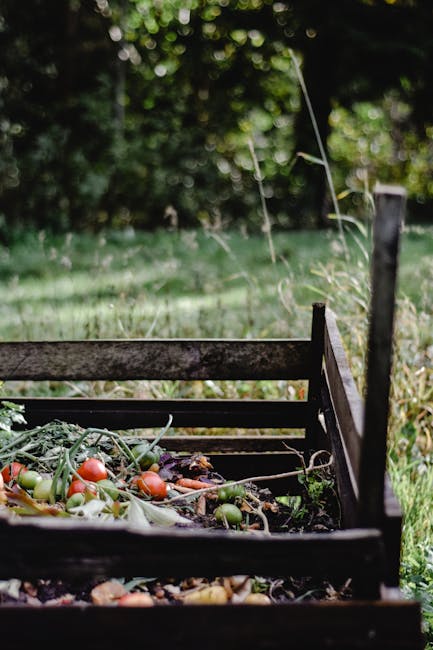
What to know about Barnet council garden waste rules for gardeners

If you garden in Barnet, the practical side of waste can be almost as important as pruning, planting, or mowing. A tidy border, a big hedge cut, or a full seasonal clear-up can leave you with bags of green waste faster than you expect. And that is where What to know about Barnet council garden waste rules for gardeners really matters: not because it is exciting, but because getting it wrong can mean extra hassle, missed collections, or waste that has to be dealt with twice.
In this guide, you will find a plain-English explanation of how garden waste handling usually works for local gardeners, what to check before you put anything out, how to avoid the common mix-ups, and how to make the whole process smoother on busy jobs. We will keep it practical. No jargon for the sake of it. Just the stuff that helps when you are standing over a pile of hedge trimmings on a damp Tuesday morning, wondering what goes where.
Whether you are a homeowner keeping on top of a small plot, or a gardener managing regular maintenance for several properties, the goal is the same: stay compliant, save time, and keep waste under control without making your day harder than it needs to be.
Why What to know about Barnet council garden waste rules for gardeners Matters
Garden waste sounds simple until you are dealing with real life: wet grass clippings, thorny prunings, soil-dusted roots, compostable offcuts, and the odd rogue plastic tie that somehow ends up in the same bag. Barnet council garden waste rules matter because councils are generally strict about what can go into green waste streams, and they expect waste to be presented in the correct way. If you skip that step, a collection can be refused or delayed, and that means a clean-up job becomes a mess all over again.
For gardeners, this is not just about avoiding a problem with the council. It is also about professionalism. If you are maintaining a client's garden, handling waste properly shows care. It protects lawns, paths, and driveways from stray debris. It also keeps the job moving efficiently, which is a bigger deal than people think. A neat waste routine saves minutes on every visit, and those minutes add up.
There is also an environmental angle here, and yes, it is the sort of thing people nod along to but forget in practice. Green waste is only useful if it is separated cleanly. Put the wrong things in with it and the whole batch can become less useful. That is why gardeners often build waste handling into the job plan rather than leaving it to the end.
If you are also improving a garden beyond basic tidy-ups, you may find that smarter design reduces waste over time too. For instance, projects like turning waste into fertile soil can cut down on what needs to be removed, while a weather-resistant garden often needs fewer emergency clear-outs after storms.
How What to know about Barnet council garden waste rules for gardeners Works
At a practical level, the system usually comes down to three things: what counts as garden waste, how it should be presented, and what should never be mixed in. The exact collection setup can vary depending on the property, service type, and current council arrangements, so the safest habit is to check the latest local guidance before you put waste out. That sounds obvious. Still, plenty of people skip it until a bag is left behind.
In most UK council systems, garden waste means organic material from routine garden maintenance. Think grass cuttings, leaves, hedge trimmings, small twigs, weeds, dead flowers, and similar green material. Soil, stones, rubble, and general household rubbish are usually treated very differently. If you are working on a larger job, the waste may also need to be separated by type, especially if there is a mix of green waste, woody cuttings, and bulky material.
The other thing gardeners should understand is presentation. Waste often needs to be in a specific container, tied in a certain way, or left out on a set day with enough access for collection. If your bags are too heavy, contaminated, or overfilled, they may not be accepted. To be fair, that is not councils being awkward for sport; it is about collection efficiency and safety.
For jobs that produce a lot of heavy organic material, a common-sense approach is to sort as you go. Keep soft green waste separate from woody pruning. Remove any plastic, wire, labels, or plant supports before bundling. And if you are dealing with dense plant material after hedge work, resources such as hedge trimming techniques and professional hedge trimming support can help reduce the waste burden in the first place.
A simple way to think about it
If it grows in the garden and is clean, dry enough, and free from contamination, it is more likely to belong in the garden waste stream. If it is soil-heavy, treated as mixed rubbish, or mixed with non-organic material, it probably needs a different disposal route. Not every borderline item is obvious, which is why a quick sorting habit pays off.
Key Benefits and Practical Advantages
Following the correct garden waste rules is not just about ticking a box. Done well, it gives you a better workflow, cleaner sites, and fewer headaches later. That is the real payoff.
- Less risk of rejected collections: clean, sorted waste is more likely to be accepted first time.
- Faster clear-ups: when waste is pre-sorted, you spend less time faffing about with mixed bags.
- Better presentation for clients: a site looks finished when the waste has been handled properly.
- Improved sustainability: clean green waste is usually easier to process responsibly.
- Lower chance of damage or mess: fewer loose clippings and fewer overflowing bags means fewer trails across paths or lawns.
There is also a softer benefit that experienced gardeners value: confidence. You know the job is done properly. You are not leaving a client with a mystery pile of cuttings by the gate, and you are not gambling on whether a bag is "probably okay." That peace of mind matters when you are juggling multiple gardens, time pressure, and a weather forecast that keeps changing its mind.
It also supports better garden planning overall. A garden that is designed with maintenance in mind often creates less waste and is easier to keep tidy. Ideas like vertical gardening can help make smaller spaces more manageable, while ground cover planting may reduce the amount of open soil you need to keep edging and weeding constantly.
Who This Is For and When It Makes Sense
This topic matters to a wider group than people first assume. It is not just for full-time landscape contractors. It applies to anyone who creates or manages garden waste in Barnet.
- Home gardeners doing weekly mowing, pruning, and seasonal tidy-ups.
- Professional gardeners managing one-off or recurring maintenance visits.
- Landlords and letting agents who need outdoor spaces kept presentable between tenants.
- Small business or communal site managers with planting beds, hedges, or grounds to maintain.
- Older homeowners or busy families who want the garden kept neat without piles of waste hanging around.
It makes sense to pay attention whenever you are doing one of these jobs:
- hedge cutting or shaping
- lawn mowing and edging
- border clearance in spring or autumn
- tree and shrub pruning
- weed removal after wet weather
- removing old seasonal planting
- post-storm clean-up
If your job produces only a small bag or two, the system may feel straightforward. If you are clearing a big border after a long, overgrown season, the waste quickly becomes a planning issue rather than a bin issue. That is when knowing the rules saves a lot of unnecessary back-and-forth.
Step-by-Step Guidance
Here is a practical, gardener-friendly way to handle garden waste without turning the job into a mini logistical drama.
- Separate garden waste from the start. Keep green waste apart from plastic pots, labels, broken tools, rubble, and household rubbish. Once it is mixed, sorting becomes a grim little job nobody enjoys.
- Remove contamination. Shake off excess soil, strip out tie wraps, and pull obvious non-organic bits from the pile. A clean heap is easier to manage and more likely to be accepted.
- Check size and weight. Heavy bags can be awkward to move and may not meet collection requirements. Split large loads into manageable portions rather than making one heroic bag that nobody can lift.
- Use the right containers. Whether it is council-approved bins, sacks, or another accepted format, use the method that matches the local system. Guessing is not a strategy, sadly.
- Present waste on the correct day. Leave it where collections can access it without blocking walkways, driveways, or neighbours' entrances.
- Keep woody waste in mind. Sticks, thicker branches, and hedge material may need a different handling approach from soft grass cuttings.
- Review what happened afterwards. If a load was rejected or partly left behind, work out why. A small change next time can save a lot of time.
A real-world example: if you have trimmed a laurel hedge, mown a lawn, and dug out weeds from a border in one visit, do not throw all of that together in one swelling heap. Separate the grass, the hedge cuttings, and the weeds. It takes a little more discipline at first, then it becomes second nature.
Expert Tips for Better Results
After plenty of seasonal garden clear-ups, a few habits stand out as especially useful. Nothing flashy. Just the sort of detail that keeps a job running smoothly.
1) Work from the top of the garden down
Start with hedges and shrubs, then move to borders, then lawn cuttings and final sweep-up. That sequence helps prevent you from trampling over fresh piles of waste and spreading debris back across the site.
2) Don't overpack bags
Overfilled bags are a classic mistake. They split, sag, and make lifting awkward. A bag that is a bit underfilled is far safer than one that looks impressive but behaves like a wet sack of regret.
3) Keep a "mixed waste" box handy
Most gardens generate awkward little items: plant ties, broken canes, snips of mesh, plant labels, bits of old compost packaging. Keep a separate box or tub for those small non-green items so they do not end up in the waste stream by accident.
4) Plan for wet weather
In London, you know what the weather does. One minute it is crisp and manageable, the next everything is damp and twice as heavy. Wet green waste is harder to carry and easier to tear bags with, so it pays to time collections or bagging carefully.
5) Reduce waste before it starts
Routine hedge care, proper mowing, and regular weeding mean less dramatic end-of-month clear-up. If you keep on top of the garden, the waste load stays smaller and more predictable. That is why services like routine garden maintenance and lawn care can make a surprising difference to the amount of waste generated over time.
6) Make composting part of the plan where appropriate
Some waste does not need to leave the garden at all. Clean grass cuttings, leaves, and certain soft plant materials may be reusable in composting systems if you have the space and patience. Not every gardener wants to compost, fair enough, but when it works, it is a tidy little win.
Common Mistakes to Avoid
Most garden waste problems are not dramatic. They are usually small mistakes repeated at the wrong moment. The good news is they are easy to fix once you know what to look for.
- Mixing green waste with soil or rubble. Soil-heavy waste behaves differently and is often handled separately.
- Including plastic, wire, or plant pots. Even tiny bits of contamination can cause issues.
- Leaving waste too long before collection. It gets soggy, messy, and much harder to move.
- Overloading containers. This leads to split bags, spillages, and awkward lifting.
- Assuming all garden waste is treated the same. Hedge cuttings, grass, weeds, and branches may not all be accepted in the same way.
- Ignoring local updates. Councils do adjust collection rules from time to time, so it is worth checking rather than relying on memory.
One easy slip is to tidy up in a rush at the end of the day and throw a few "probably fine" items into the green pile. That is how problems begin. A minute of sorting now beats twenty minutes of rehandling later. Always.
Tools, Resources and Recommendations
The right tools make garden waste handling quicker, cleaner, and less exhausting. You do not need a huge kit, but a few basics make a real difference.
- Heavy-duty garden bags or bins: useful for collecting clippings and leaves without constant splitting.
- Rake and leaf grabbers: especially handy for autumn clear-ups and lawns.
- Secateurs and loppers: for reducing large prunings into manageable pieces.
- Wheelbarrow or garden trug: useful for moving waste without dragging it across paths.
- Tarpaulin or ground sheet: keeps piles contained and makes loading far easier.
- Gloves and basic protective gear: thorns, splinters, and sharp edges do not care about your schedule.
For safer and more efficient work, a few related pages may also be useful if you are planning a bigger garden tidy-up. For example, must-have tools for gardeners is a handy companion read, and if your project has moved beyond waste management into major outdoor improvement, landscaping support can help shape the space so it is easier to maintain later.
If the garden includes damaged timber, rotten stumps, or overgrown trees, waste management may need to be coordinated with cutting work. In those cases, tree surgery is worth considering so the material is handled safely and in a more controlled way.
Law, Compliance, Standards, or Best Practice
Garden waste handling sits in the wider world of local waste rules, environmental responsibility, and duty of care. You do not need to be a legal specialist to deal with it properly, but you do need to respect the basics.
For gardeners, the safest approach is to follow the local collection instructions closely, keep waste streams separate, and avoid putting prohibited material into garden waste. That matters because waste carriers and councils generally expect clean, suitable material rather than mixed rubbish. In practical terms, best practice means:
- sorting waste at source
- keeping green waste free from contamination
- using approved presentation methods
- avoiding overloaded or unsafe containers
- staying up to date with local council guidance
If you are working commercially, there is an extra professionalism layer too. Clients expect tidy handover, responsible disposal, and no mess left behind. That is just good practice, and it goes a long way. If you are unsure about waste handling on a particular site, it is better to pause and confirm than to assume. The wrong assumption is often the expensive one.
Best practice also means thinking ahead. A garden designed for low maintenance often creates less green waste in the first place. A smarter planting mix, the right hedge height, and regular trimming can all reduce disposal pressure. That is why advice on fast-growing hedges and weed control can be surprisingly relevant to waste management. Less overgrowth means fewer big clear-outs. Simple, but true.
Options, Methods, or Comparison Table
Gardeners usually have a few ways to deal with waste. The right choice depends on the amount, the type of material, and how often you work in the area.
| Method | Best for | Pros | Watch-outs |
|---|---|---|---|
| Council garden waste collection | Regular green waste from routine maintenance | Convenient, familiar, often ideal for small to medium loads | Must follow local rules carefully; contamination can cause refusal |
| On-site composting | Clean organic waste like leaves and grass cuttings | Reduces disposal needs and can improve soil over time | Needs space, patience, and the right mix of material |
| Private removal or clearance support | Larger jobs or mixed waste situations | Useful when waste volume is high or sorting is complex | Costs more and still needs clear waste separation |
| Reducing waste through garden design | Long-term maintenance planning | Less waste over time, easier upkeep | Takes upfront thought and sometimes a redesign |
There is no single "best" method for every garden. A small terrace garden with light trimming needs one approach. A larger family garden with hedges, beds, and tree work may need a mix of methods. The smart move is to match the method to the job rather than forcing every job into the same routine.
Case Study or Real-World Example
Picture a typical late-summer tidy-up in Barnet. A front garden hedge has grown a little too bold, the lawn has been cut back after a wet spell, and the borders are full of spent annuals. Nothing unusual. But the waste pile grows quickly: soft green clippings, woody hedge trimmings, a few weed roots, and a handful of stray ties from old supports.
In a rushed approach, all of that gets bagged together. The bags are heavy, wet, and mixed. One splits on the way to storage. Another is left too close to a gate. A collection day comes and one bag is rejected because it is clearly contaminated. The job is still not finished, and now the clean-up has become a second visit in all but name.
Now imagine the same job done properly. The hedge cuttings are reduced into manageable lengths. Grass cuttings are kept separate. The old ties and plant labels go into a mixed-waste tub. The garden is swept before the bags are placed out. There is no drama, no mess, no awkward call-back. The site looks neat, the waste is handled correctly, and the client notices. Not in a flashy way. Just in that quiet, approving way people do when a garden feels finished.
That is the real value of understanding local waste rules. It keeps the job smooth.
Practical Checklist
Use this quick checklist before you finish a garden job in Barnet:
- Have I separated garden waste from general rubbish?
- Have I removed plastic, wire, labels, and pots?
- Are bags or containers within a manageable weight?
- Have I kept soil-heavy material apart if needed?
- Are hedge trimmings, grass, and woody cuttings sorted sensibly?
- Is the waste placed where collection access is clear?
- Have I checked the latest local collection guidance?
- Have I avoided leaving loose debris on paths, lawns, or drives?
- Do I need composting, hauling, or another disposal option for this load?
- Would better maintenance reduce waste on the next visit?
If you can tick all of those off, you are usually in good shape. If a few boxes are blank, that is fine too. Just fix them before the waste leaves the site.
Conclusion
Knowing What to know about Barnet council garden waste rules for gardeners is less about memorising a long list of restrictions and more about building a sensible routine. Sort as you go. Keep green waste clean. Match the collection method to the material. And check local guidance when in doubt, because rules can shift and little details matter.
For gardeners, that discipline pays off in three ways: faster jobs, fewer collection problems, and better-looking gardens at handover. It also makes your work feel calmer. Less second-guessing, less backtracking, less "I'll sort that later." Truth be told, that alone is worth a lot on a busy day.
If you are planning regular garden work, a tidy waste strategy is one of the simplest ways to make maintenance easier, greener, and more professional. Small habits, big difference. That is often how good gardening works.
Get a free quote today and see how much you can save.
Frequently Asked Questions
What counts as garden waste under Barnet council garden waste rules?
Garden waste is usually the organic material created by normal garden maintenance, such as grass cuttings, leaves, hedge trimmings, weeds, and small prunings. Mixed rubbish, soil-heavy debris, plastic pots, and wire are generally handled differently.
Can I put soil in with garden waste?
Usually not, or at least not without checking the local guidance first. Soil is heavier, behaves differently in processing, and is often treated separately from standard green waste.
Do hedge trimmings count as garden waste?
Yes, hedge trimmings are typically part of garden waste, but they should be clean and free from contamination. Large or woody material may need to be handled with more care than soft clippings.
What happens if my garden waste is mixed with plastic or rubbish?
Contamination can lead to rejection or delay. It is better to spend a few extra minutes sorting than to risk a whole load being left behind.
How should I prepare garden waste before collection?
Separate it into the right types, remove non-organic material, avoid overfilling bags, and place everything where it can be accessed safely and easily on collection day.
Is composting better than council collection?
It depends on your garden and your time. Composting can be excellent for clean organic waste if you have space and patience. Council collection is often more convenient for regular tidy-ups.
What garden waste is most likely to cause problems?
Wet, heavy material; soil-contaminated waste; and mixed bags containing plastic, wire, or household rubbish are the most common troublemakers. They create handling issues and can be refused.
Do I need to separate grass cuttings from hedge trimmings?
Often it is a good idea, especially if the waste stream is being collected in a specific way. Grass cuttings are soft and dense, while hedge trimmings can be woody and bulkier. Keeping them apart makes sorting easier.
How often should I clear garden waste from a maintained garden?
Regularly, ideally as part of routine maintenance. Leaving it too long usually means heavier, wetter, messier waste. Little and often is usually the least painful route.
What is the biggest mistake gardeners make with garden waste?
The biggest mistake is probably mixing everything together in a rush. A garden waste pile that starts with good intentions can quickly turn into a disposal headache if it is not sorted properly.
Can professional gardeners handle waste for me?
Yes, many gardeners include waste handling or can advise on the best disposal method for a job. If you want help with regular upkeep or a bigger clear-up, it is worth discussing it at the start so expectations stay clear.
Where should I start if I want fewer garden waste problems next time?
Start with garden maintenance habits. Keep up with pruning, mowing, and weeding, and use a simple sorting system as you work. If the garden is easier to manage, the waste gets easier too.